No Comments

Market Report For Our Communities – January 2026

Winter didn’t tiptoe into 2026… it crunched in under boots, hung frost on the eaves, and quietly rearranged the real estate chessboard across Georgian Bay .

January is never the loudest month, but it is revealing. Here’s what the numbers are whispering in our communities:


Midland – Quietly Confident

January’s average sale price came in at $507,140, with homes selling at 97% of list price.

That’s down slightly from December’s $522,853, which is typical after the holiday surge cools.

What we saw:

  • 15 sales in January (down from 17)
  • 88 active listings (down from 92)
  • 38 new listings… up from 16 in December

The standout here is new inventory. Sellers are stepping into the market earlier this year, and buyers have more options than they did just a month ago. Even with a small seasonal adjustment in price, homes are still selling very close to asking. That’s stability.


Penetanguishene – A Numbers Game

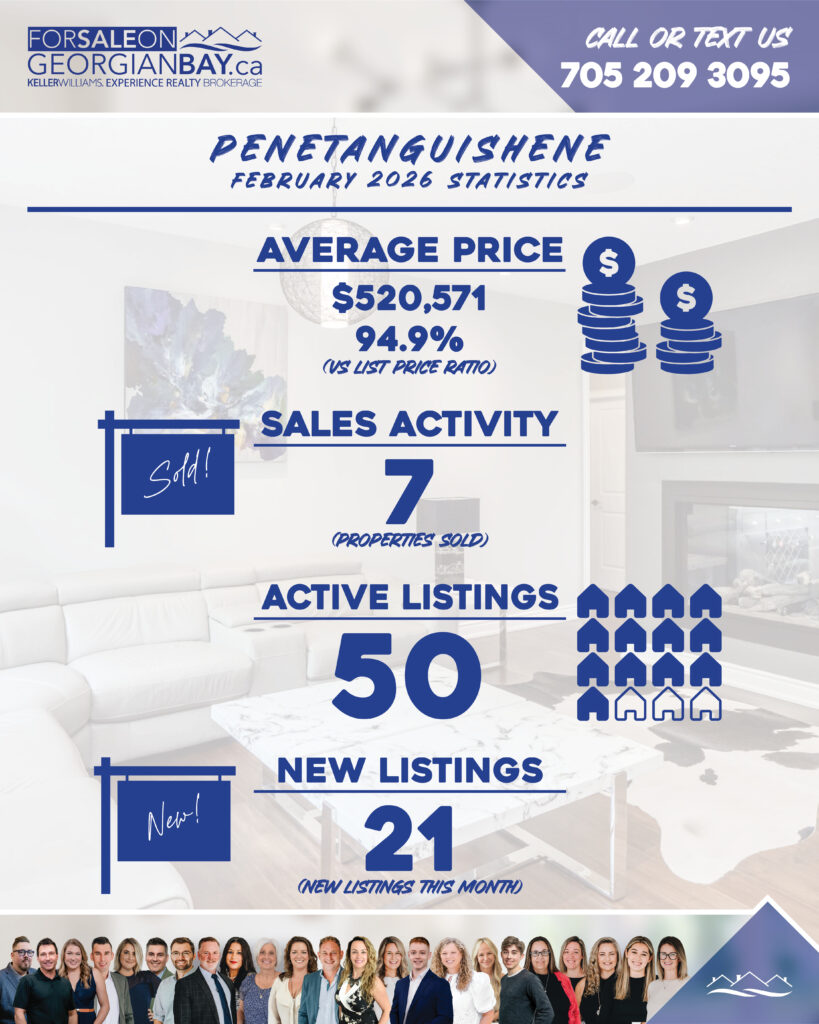
The average price in January landed at $412,000, selling at 93.5% of list price.

That’s a sharp shift from December’s $681,125. But context is everything: there were only 2 sales in January compared to 8 the month before. With that small a sample size, one or two unique properties can dramatically move the average.

Other activity:

  • 47 active listings (up from 44)
  • 20 new listings (up from just 3 in December)

Inventory is building. Sales were light. Expect more reliable trends to form as volume increases heading toward spring.


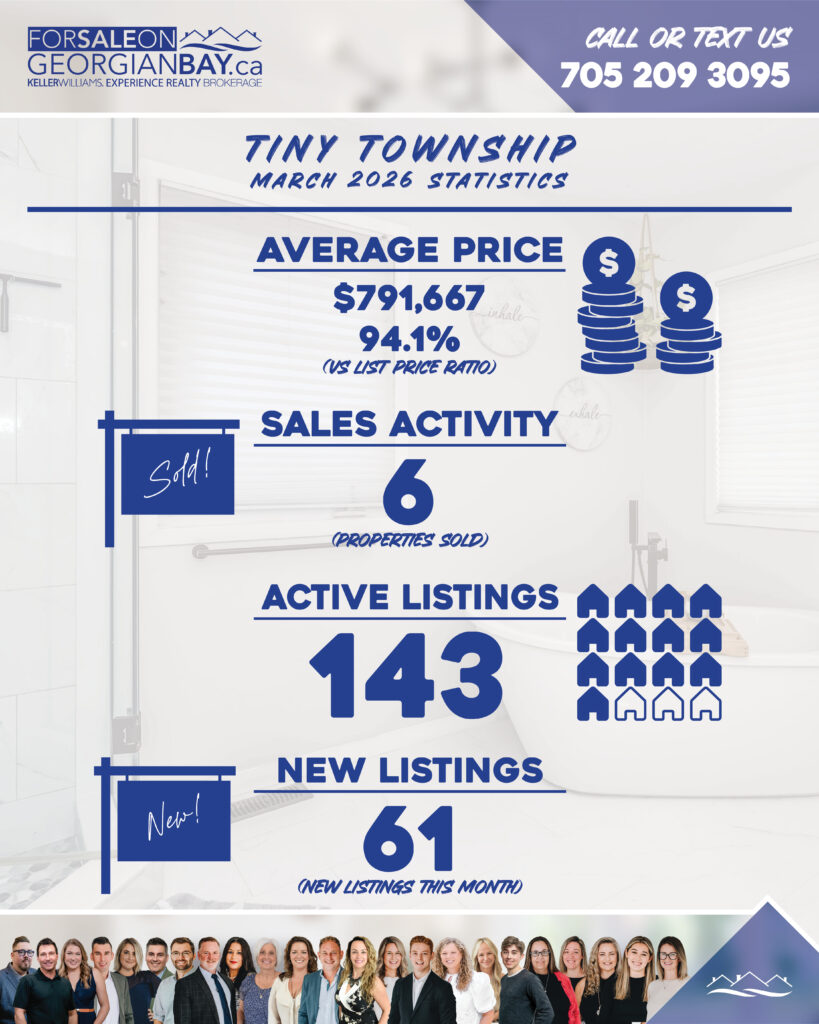
Tiny Township – Inventory Rising

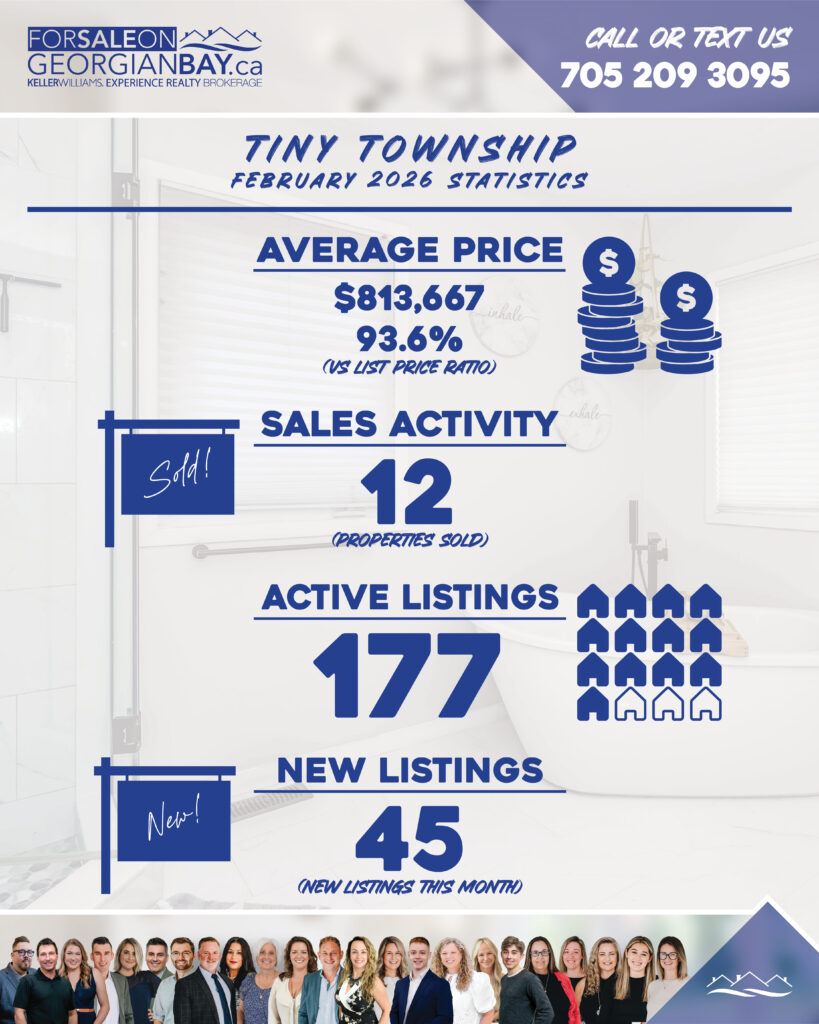
January’s average price was $667,544, with homes selling at 95.1% of list price.

That’s down from December’s $832,660, alongside:

  • 9 sales (down from 15)
  • 107 active listings (up from 100)
  • 43 new listings (up from 23)

Tiny is seeing a meaningful increase in supply. Buyers have more leverage than they did in December, and sellers will need to be precise with pricing as competition grows.


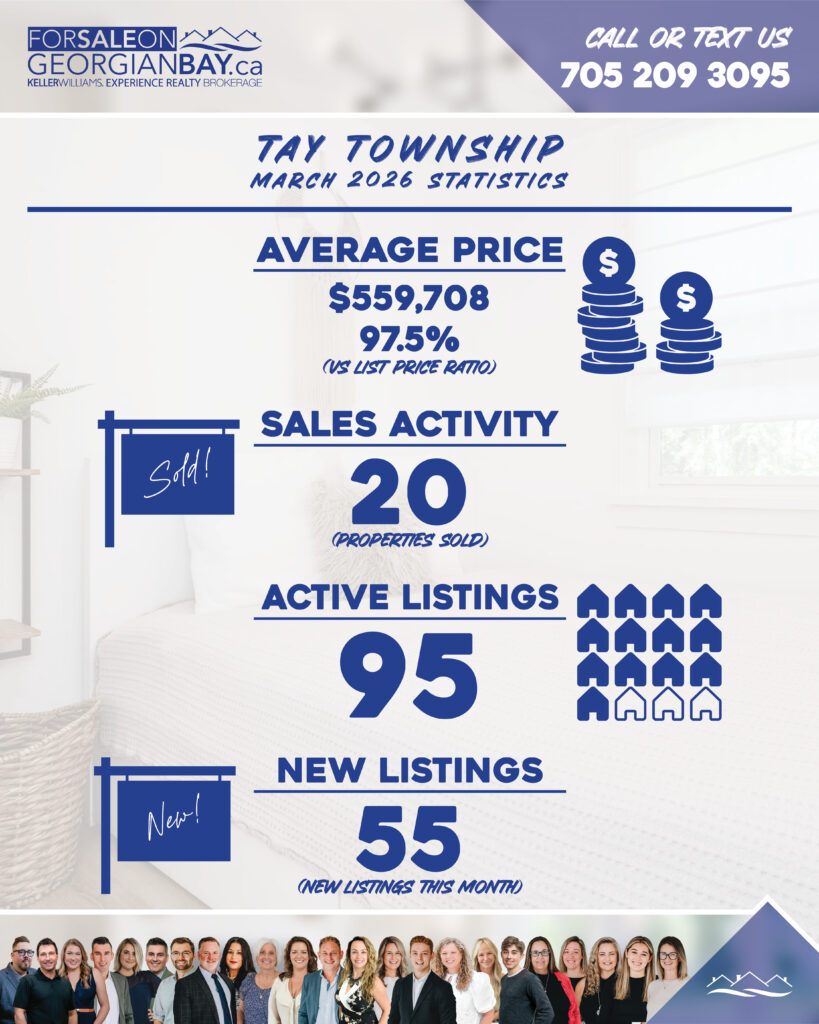
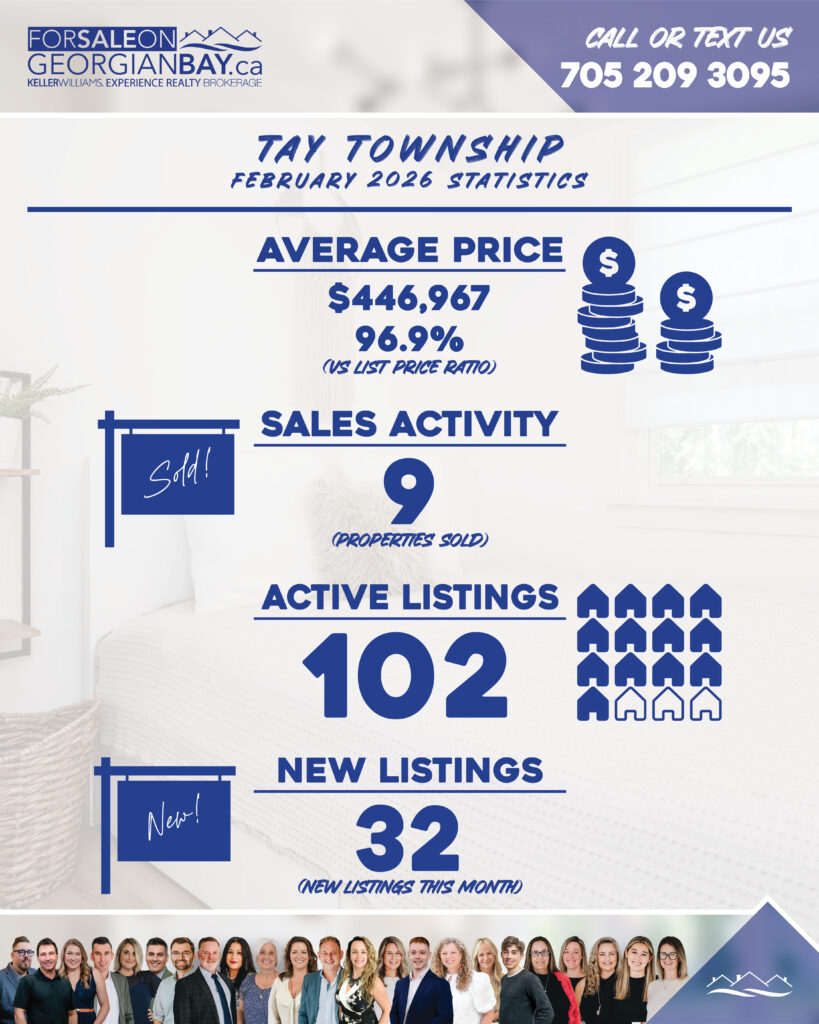
Tay Township – Steady Ground

Average sale price reached $589,833, with homes selling at 96.9% of list price.

Compared to December’s $608,418:

  • 6 sales (down from 11)
  • 81 active listings (unchanged month over month)
  • 38 new listings (up from 24)

Tay remains consistent. Inventory is growing, but overall supply is stable, positioning the market for a more active spring.


The January Takeaway

Across Midland, Penetanguishene, Tiny Township, and Tay Township, the pattern is clear:

Sales slowed seasonally.
New listings increased significantly.
Prices adjusted modestly, with strong list-to-sale ratios still holding.

January sets the tone, but spring writes the chorus.

If you’re thinking about buying or selling in 2026, now is the time to plan. The board is set… and the next moves are already underway.

Trust your local experts to guide you through the process and take advantage of the current market. Ask us about our FREE Home Market Analysis to determine exactly how much your Home is worth in today’s Market.

All data correct as of February 24, 2026, data gathered by the One Point Association Of Realtors based on January 2025.

No Comments

Freeze–Thaw Season in Simcoe County: How to Protect Your Home from Wet Basements, Flooding & Ice Dams

If you live near Georgian Bay, you know this stretch of winter isn’t gentle. One afternoon it’s melting snow and dripping eaves. By nightfall, everything is locked back in ice.

That constant thawing and refreezing does more than make sidewalks slippery. It quietly stress tests your home.

Here’s how to stay ahead of it.


Clear Snow Away from Your Foundation

When the snow starts to melt, all that water has to go somewhere. If snow is piled tight against your foundation, you’re essentially guiding it toward your basement walls.

This time of year, we always recommend pulling snow back at least a couple of feet from the foundation, especially around window wells. It seems simple, but it’s one of the most effective ways to reduce the risk of seepage during heavy melts. Water will always follow the easiest path. The goal is to make sure that path leads away from your home, not into it.


Pay Attention to Your Downspouts

During freeze–thaw season, your eavestrough system suddenly goes from dormant to working overtime.

Take a look at where your downspouts are directing water. If they’re dumping meltwater right beside the foundation, that water can pool, freeze overnight, and repeat the cycle the next day. Over time, that constant pressure increases the chance of moisture finding its way inside.

Ideally, downspouts should extend several feet away from the house so water has time and distance to disperse safely.


Watch for Ice Dams on the Roof

Ice dams often start quietly. Snow melts on the warmer upper portion of your roof, runs down toward the colder eaves, and refreezes. Eventually, a ridge of ice forms and traps water behind it. That water can back up under shingles and into the attic.

If you notice thick icicles lining the roof edge or damp spots appearing on ceilings during warmer afternoons, it’s worth investigating. Long term, proper attic insulation and ventilation are the real solution. In the short term, safely removing excess snow buildup along roof edges can reduce the risk.


Make Sure Your Sump Pump Is Ready

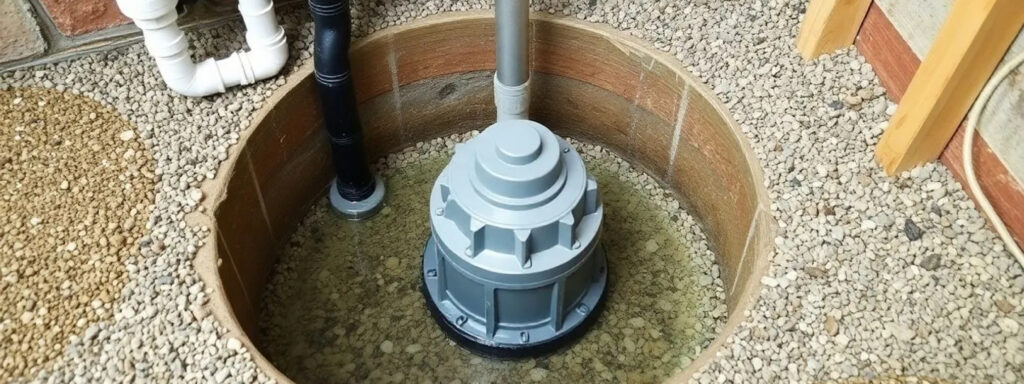
This is prime time for sump pump issues. If you have one, now is the time to test it, not during a heavy melt.

Pouring a bucket of water into the pit should trigger it to activate. It’s also important to check that the discharge line outside isn’t frozen or blocked. During rapid thaws, your sump pump may be the only thing standing between a dry basement and a very expensive cleanup.


Take a Walk Around Your Property

As snow melts, you’ll quickly see where water naturally pools. Pay attention to soggy patches near the foundation or low spots around window wells.

Homes in our communities experience strong freeze–thaw swings because of our proximity to the bay. Over time, minor grading issues can become bigger drainage problems. Catching them early makes all the difference.


Most spring basement issues don’t happen overnight. They build slowly during this in-between season.

A few small preventative steps now can protect your home’s value, avoid major repairs, and give you peace of mind as we move toward warmer weather.

If you’re unsure how your property handles drainage or you’re thinking of selling this year, I’m always happy to take a look and offer guidance.

No Comments

Market Report For Our Communities – December 2025

The Georgian Bay real estate market showed a mix of seasonal cooling and community-specific momentum over the most recent reporting period. While activity remains more measured than earlier in the year, pricing trends and buyer behaviour continue to vary notably from town to town. Below is a closer look at how each local market performed, followed by a broader comparison across the region.


Midland

Midland recorded an average sale price of $522,853, with homes selling at 94.6% of list price. Compared to November’s average of $582,438, this represents a month-over-month decrease of $59,585, or approximately 10.2%. This decline reflects a seasonal softening in pricing, paired with more cautious buyer activity.

Sales activity remained modest, with 17 properties sold during the month. Inventory levels remain elevated, with 92 active listings, including 16 new listings added during the period. Buyers in Midland currently benefit from greater choice and negotiating room, while sellers are facing a more competitive landscape that rewards accurate pricing and strong presentation.


Penetanguishene

Penetanguishene moved in the opposite direction, posting an average sale price of $681,125, selling at 96.7% of list price. This marks an increase of $65,450, or roughly 10.6%, compared to November’s average of $615,675.

With just 8 properties sold, sales volume remained low, but pricing strength suggests continued demand for the right properties. There are currently 44 properties available, with only 3 new listings added during the month. Limited new inventory has helped support pricing, creating a relatively balanced environment despite lower overall transaction numbers.


Tiny Township

Tiny Township continued to command some of the highest prices in the region, with an average sale price of $832,660and a 94.4% list-to-sale ratio. This reflects a month-over-month increase of $52,798, or approximately 6.8%, compared to November’s average of $779,862.

There were 15 properties sold, supported by a healthy level of new supply. Inventory stands at 100 active listings, including 23 new listings added during the month. This growing selection provides buyers with more options, while sellers continue to benefit from the township’s strong long-term desirability, particularly for lifestyle and waterfront-focused properties.


Tay Township

Tay Township remained remarkably stable. The average sale price came in at $608,418, with homes selling at a strong 96.9% of list price. This represents a negligible decrease of $26, effectively flat compared to November’s average of $608,444.

A total of 11 properties sold, with inventory sitting at 81 active listings, including 21 new listings during the month. Tay’s consistency highlights a balanced market, where pricing has held steady despite broader seasonal trends and an influx of new listings.


Georgian Bay Area Comparison & Market Takeaway

Across the Georgian Bay area, market performance continues to diverge by community:

Pricing trends ranged from a notable pullback in Midland to solid gains in Penetanguishene and Tiny Township, while Tay Township remained flat. Inventory levels are generally elevated, particularly in Midland and Tiny Township, giving buyers more leverage and time to make decisions. List-to-sale ratios remain healthy across all communities, hovering in the mid-to-high 90% range, indicating that well-priced homes continue to sell close to asking.

Overall, the market reflects a seasonally adjusted but stable environment. Buyers are benefiting from increased selection and reduced urgency, while sellers who price strategically and prepare their homes effectively are still achieving strong results. As we move further into the year, shifts in interest rates and renewed spring activity will be key factors to watch across the Georgian Bay region.

Trust your local experts to guide you through the process and take advantage of the current market. Ask us about our FREE Home Market Analysis to determine exactly how much your Home is worth in today’s Market.

All data correct as of January 28, 2026, data gathered by the One Point Association Of Realtors based on December 2025.

No Comments

2026 Home Decorating & Colour Trends You Can Actually Use

A new year is the perfect excuse to refresh your space, but 2026 decorating trends aren’t about dramatic overhauls or chasing every fad. This year’s focus is on warmth, comfort, and livable style. Think changes that feel good now and still make sense long-term.

Here are some 2026 home trends you can realistically bring into your home without stress.

1. Warm Neutrals Are Back (and Cooler Greys Are Taking a Back Seat)

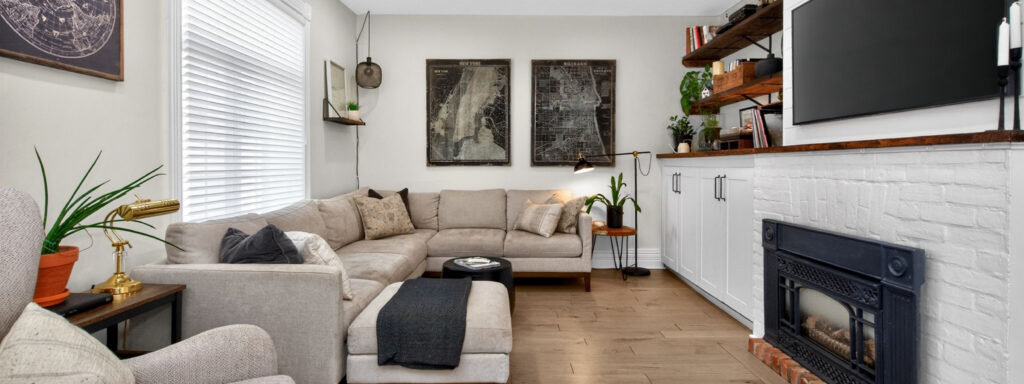
2026 is leaning into softer, warmer tones that feel inviting and timeless. Shades like creamy whites, sand, oatmeal, and light taupe are replacing the stark greys of past years. These colours work beautifully in living rooms, bedrooms, and open-concept spaces, creating a calm backdrop that’s easy to build on.

Tip: If repainting feels like a lot, start with one room or even an accent wall to test the look.

2. Nature-Inspired Colour Palettes

Earthy tones continue to have a moment, but they’re softer and more refined. Expect to see sage green, muted terracotta, clay, warm browns, and deep forest tones used thoughtfully throughout the home.

These colours add character without overwhelming a space and pair especially well with natural light and wood finishes.

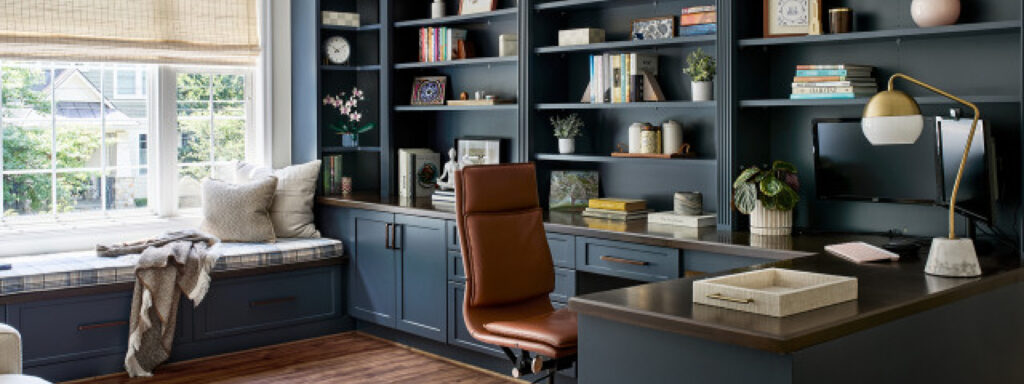
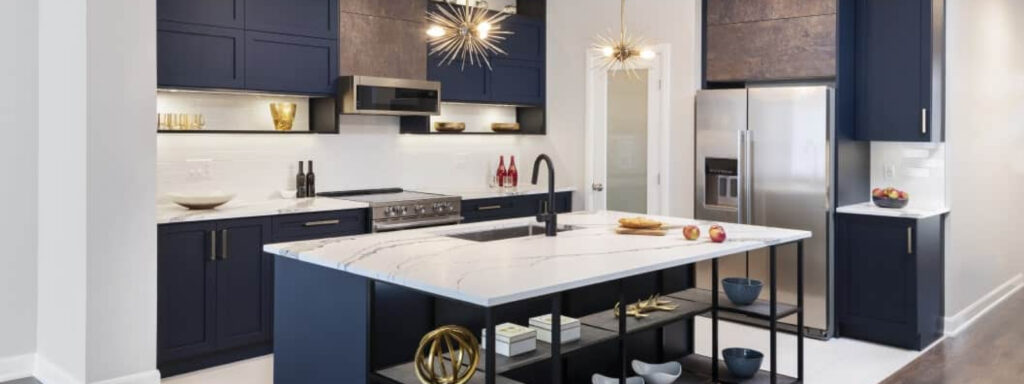
Tip: These tones work great in smaller doses like powder rooms, offices, or cabinetry.

3. Texture Over Trend

Instead of bold patterns, 2026 is all about texture. Layered textiles, wood accents, stone details, and mixed materials add depth and interest without feeling busy.

Think linen cushions, wool throws, wood coffee tables, or subtle stone elements that make a space feel finished and comfortable.

Tip: Texture is an easy way to update a room without changing furniture or paint.

4. Cozy, Functional Spaces

Homes are continuing to shift toward comfort-first design. Spaces should feel inviting and usable, not just styled for photos. Softer lighting, comfortable seating, and intentional layouts are all part of this trend.

Tip: Rearranging furniture to improve flow can make a room feel brand new, no shopping required.

5. Simple Updates That Still Add Value

If you’re thinking long-term, many 2026 trends naturally align with buyer appeal. Neutral palettes, warm tones, and uncluttered spaces photograph well and help buyers envision themselves in a home.

Seller-Friendly Updates:

  • Neutral paint refresh
  • Updated light fixtures
  • Decluttered, well-defined spaces
  • Consistent colour flow throughout the home

Decorating in 2026 is about making your home feel good to live in today, while still being mindful of tomorrow. Small, thoughtful changes can have a big impact without overwhelming your time or budget.

Whether you’re settling in for the long haul or thinking ahead to a future move, these trends offer a flexible, livable approach to home design.